Rescuing: what to do if you find an animal in need of assistance.
Discovering injured, sick or orphaned native wildlife is of course very stressful for you, as well as for the animal. However, while each situation can be very different, the process of providing initial assistance can be applied to all animals . Whether it be an injured bird, kangaroo or possum, these simple guidelines can help you if you find a native animal needing care.
Handling Wildlife
Native wildlife is not used to being handled, and they are very susceptible to stress. If handled improperly, they will struggle and may hurt themselves even more. It is therefore important to take the utmost care in the rescue of native wildlife, and to reduce this stress as much as possible to increase the animals chance of recovery. Do not attempt to handle or catch snakes, bats or any adult macropod (kangaroos, wallabies
General guidelines to follow if you find sick or injured wildlife
- Assess the situation, and attempt to remove any immediate threats to the bird/animal when safe to do so. This could mean keeping cats and dogs away to alleviate stress until a rescuer arrives, or stopping/divert traffic if the casualty is on the road.
- Always keep in mind that your own safety is a priority. Claws, teeth and beaks can inflict damage, as wildlife naturally see us as predators. Don’t see lack of movement as being a safe situation – always cover before handling.
- Minimise stress by placing the bird/animal in a soft towel or cloth, and then gently place it in a cardboard box. Ensure the bird/animal is in a comfortable position, i.e. wings folded in against the body in the case of a bird, with a towel supporting its body to minimise movement, and its neck supported to enable normal breathing.
Put the box in a warm, dark and quiet room, away from pets, TV, radios etc. - Please do not disturb – stress associated with human contact can result in death.
- Do not offer anything to eat or drink unless advised to do so.
- Do not attempt to handle snakes or bats, but please cover bats with a towel or a box to protect them from the weather. Do not touch the animals, and keep pets and people away from them.
- Call WILVOS 24/7 Hotline on (07) 5441 6200 for advice and contact information for wildlife carers or vets local to the area.
Specific guidelines if H5N1 Bird Flu is suspected
Emergency Animal Disease Hotline 1800 675 888 (24/7)
AVOID – Don’t touch or handle sick or dead birds. Observe from a distance and keep pets and children well away.
RECORD – Note the date, location, species and how many are sick or dead. If safe, take photos or video.
WHEN to REPORT – If there are:
- 5 or more sick or dead wild birds of any species
- 1 or more sick or dead marine mammals, seabirds, shorebirds, waterbirds, or birds of prey (the “target species”)
- Mass mortality events (e.g. flying fox/lorikeet paralysis events), even where another cause is suspected — report so H5 can be excluded by testing
Report immediately to the Emergency Animal Disease Hotline on 1800 675 888 (24/7)
Click here for a handy print out
Signs of H5 avian influenza in wild birds can include:
-
- sudden death
- lack of coordination, tremors, swimming in circles
- twisted necks or other abnormal posture
- inability to stand or fly
- diarrhoea
- difficulty breathing, coughing or sneezing
- swelling around the head, neck and eyes
- cloudiness or change in colour of the eyes
Educational Posters
As part of our community awareness program, WILVOS will be bringing out a series of informative posters that can be placed up at community centres, workplaces, schools or even at home about important topics that affect our wildlife everyday.
These posters will help give you the members of the community important information that will assist our wildlife in a simple, easy to read format. Whether it be when you find a bird, or how to make a nest or what not to feed birds, many topics will be covered.
Print them out nice and big for everyone to see or use them as handouts.
If you would like to find out more about how to assist our wildlife, arrange a free presentation or would like to receive the posters, please email ‘General Enquiries’ here.
Remember for all injured and distressed animals please call our Hotline (07) 5441 6200
Baby Bird Poster

How to Make a Nest

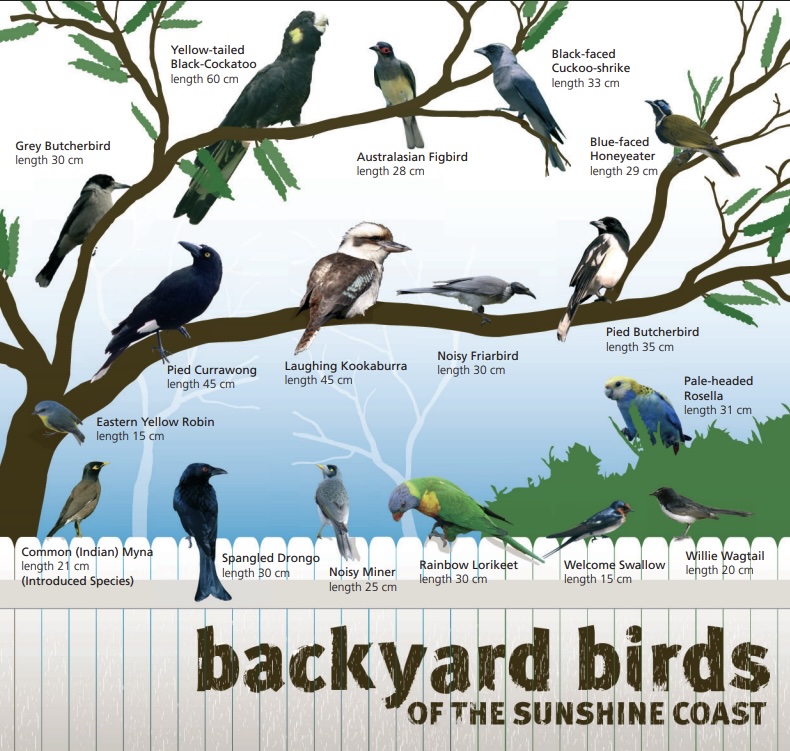
Birds of the Sunshine Coast