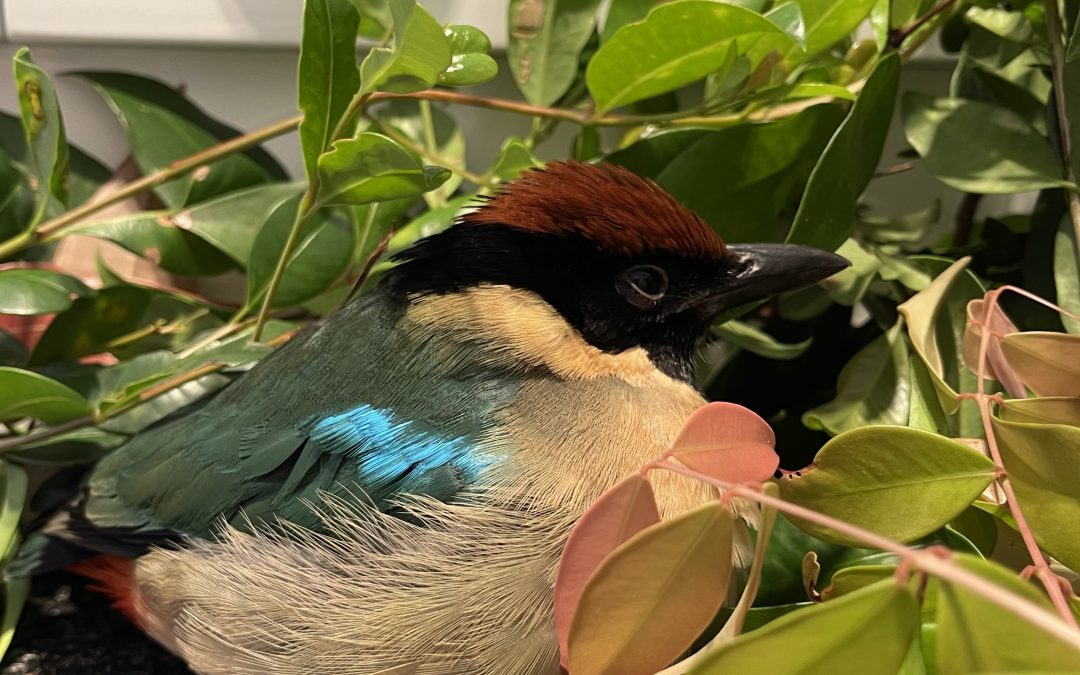
Our WILVO volunteers may have depressing or uplifting days. It is never routine. When that call comes through the 5441 6200 Hotline it is sometimes difficult to comprehend the huge and varied impact that humans have on our wildlife. Sadly, there have been...
WILVOS occasionally get calls to our 5441 6200 Hotline asking how to attract birds to a garden. The most effective and easiest option is a birdbath of clean water each day. Of course, we can improve upon that by planting fruiting and flowering native shrubs, along...
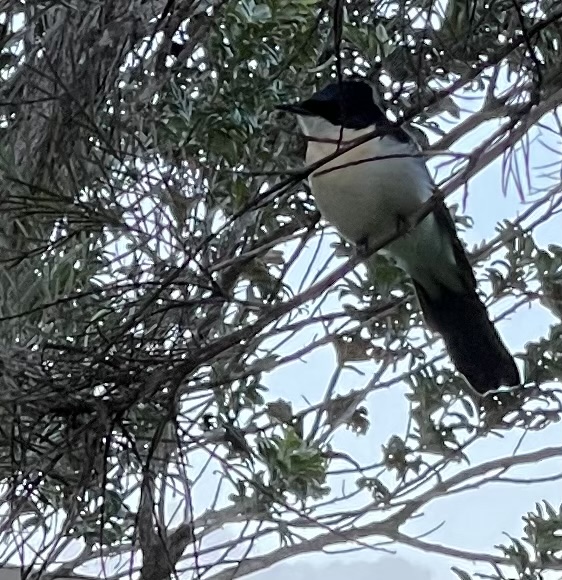
Our 5441 6200 Hotline deals regularly with the disastrous results of feeding wildlife. A major issue is metabolic bone disease with our wild bird populations. Magpies are the main species seen with this lethal disease. This is a result of incorrect diet being fed by...
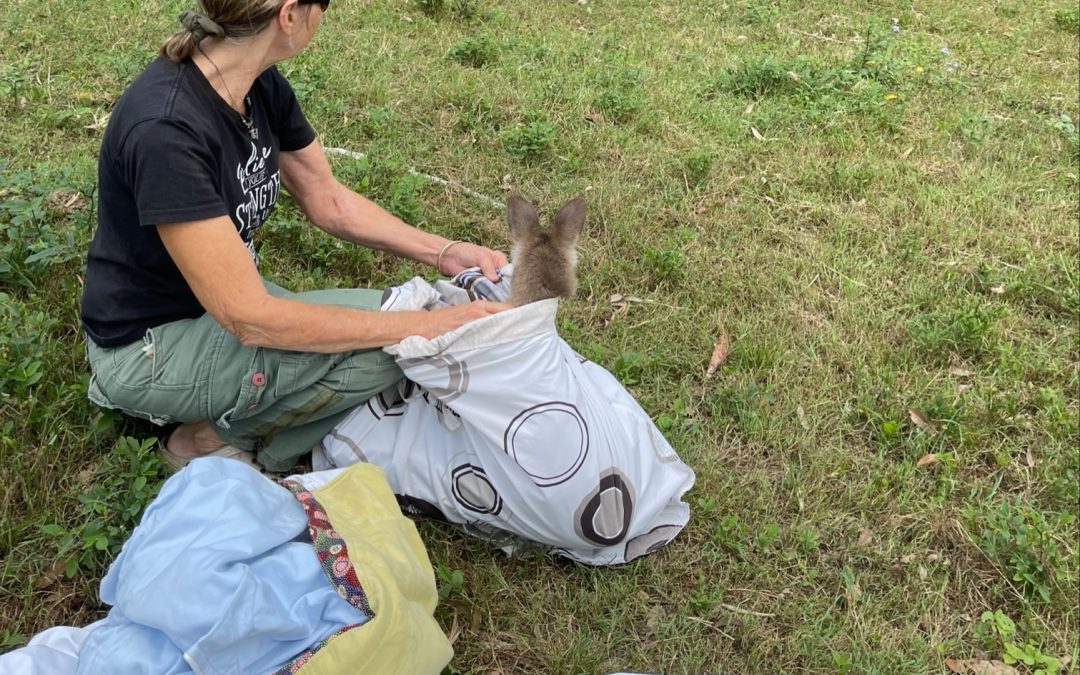
When the WILVOS 5441 6200 Hotline gets a call about a kangaroo joey, it’s a long time till release day. A joey will often be in care for almost twelve months. Rehabilitating kangaroos in the earlier stages is definitely the easier time. Though there...
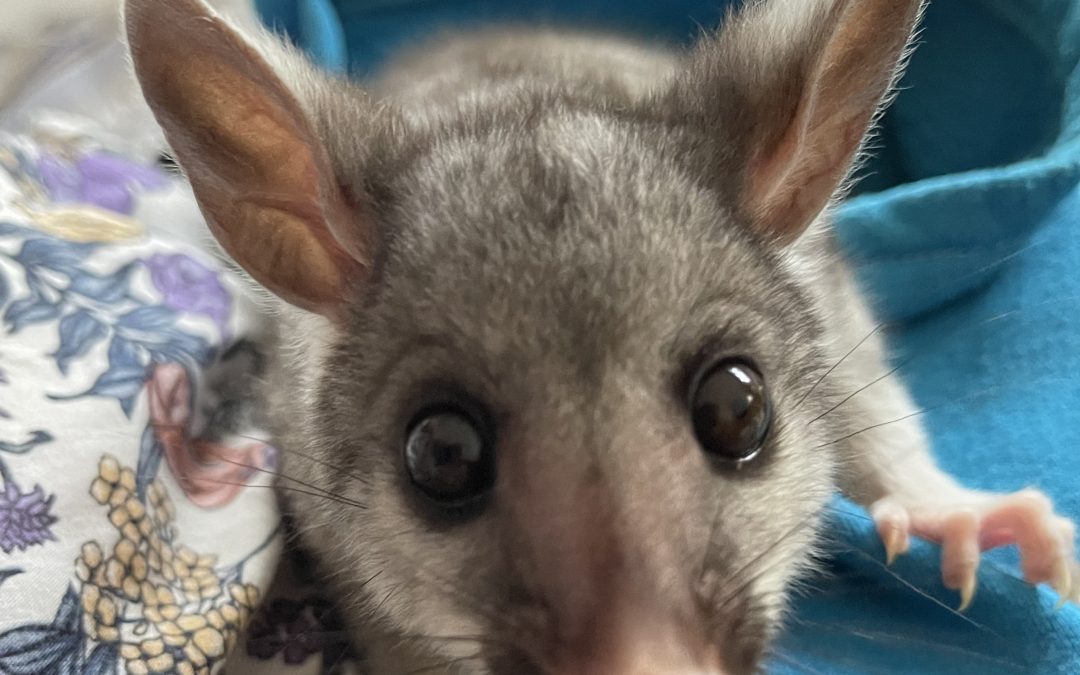
Wildlife caring certainly has its rewards. We may get many depressing calls come through to our WILVOS 5441 6200 Hotline but there are so many positive outcomes. Back in January a beautiful, tiny, furless brushtail possum came into care. Portia was the...
Wildlife worries don’t just end when extreme weather conditions occur. Our WILVOS 5441 6200 Hotline has had an increase in calls even after the deluges of rain have passed. They didn’t seem to pass for long! Animals that live in burrows may be recovering as...